By Michelle Boren, Founder of SacredLee
Good gut health doesn’t come from a sterile gut. It comes from a diverse ecosystem. Before buying another probiotic, feed the bacteria you already have with fiber and fermented foods, notice what your body can handle on a given day, and match any probiotic to a specific job. After antibiotics, protecting your gut and rebuilding it are two different goals.
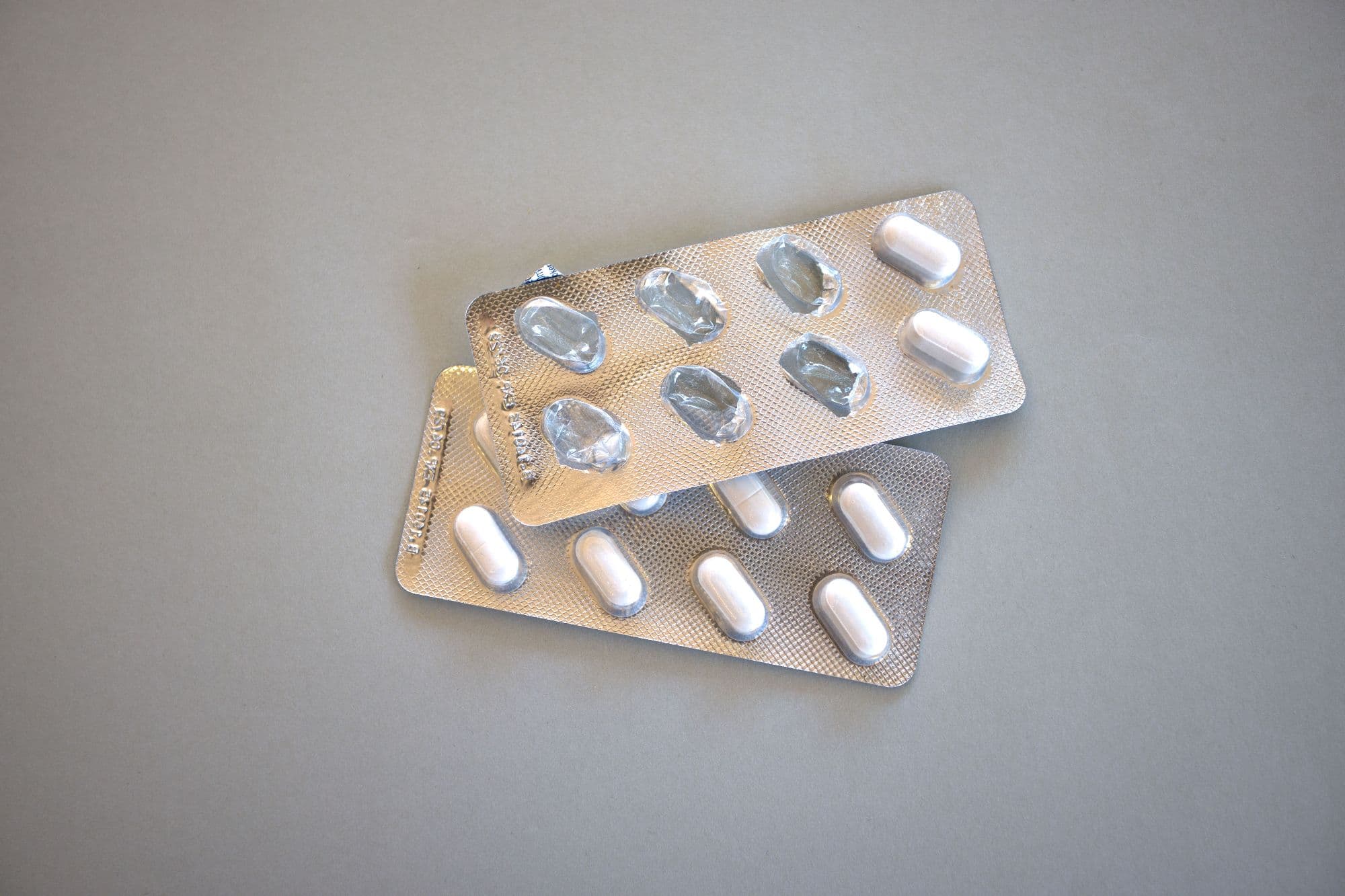
A few months ago, following surgery, I did something rather unlike me. I took a prescribed antibiotic without giving it much thought.
For someone who spends an extraordinary amount of time researching what goes into and onto her body, this was unusual. I'd taken antibiotics only once in nearly a decade, three years earlier when I developed pneumonia just before a trip to Egypt. My gut was miserable afterward.
So when I was prescribed clindamycin following surgery, you might think I would have asked a few more questions. Starting with the obvious one: Why the black box warning, and how did it earn it? Instead, I reasoned that my microbiome was strong, I rarely took antibiotics, and surely one course couldn't do that much harm.
I was wrong.
Within four days, I had such searing abdominal pain that I couldn't keep down a bite of oatmeal. A weekend visit to urgent care confirmed I had C. diff, a potentially serious bacterial infection that can develop when antibiotics disrupt the delicate balance of microbes in our intestines. I later learned that the boxed warning on clindamycin's label is about exactly this risk.
My doctor's office recommended another antibiotic. My immediate reaction? Antibiotics got me into this mess. How on earth could more antibiotics get me out?
I wasn't dismissing the seriousness of C. diff. I spoke with my doctor and had the prescribed medication on hand. But I made a personal decision to initially focus on supporting my gut, with a promise to myself that if I wasn't improving within five days, I would begin the prescribed treatment.
My approach included raw Manuka honey on an empty stomach, fermented foods, gut-supportive supplements, binders, and a carefully selected probiotic: S. boulardii, a beneficial, tropical strain of yeast used widely as a probiotic.
To my relief, my symptoms improved quickly. Within a week, I felt like myself again. I can't tell you which intervention, if any, made the difference, or whether the infection resolved on its own. Feeling better doesn't confirm that C. diff has cleared or that gut bacteria have returned to their previous balance.
I also need to be very clear. C. diff can become life-threatening, and delaying prescribed treatment is not an approach I recommend. Specific antibiotics, including oral vancomycin and fidaxomicin, are established treatments for C. diff, and appropriate treatment should begin promptly under medical guidance.
Still, the experience changed how I think about gut health. What if we spent a little less time thinking about what to eliminate and a little more time understanding what allows beneficial bacteria to flourish?
Because a healthy gut isn't a sterile gut. It's a thriving ecosystem.
Your Gut Is an Ecosystem, Not a Battlefield
Think of your gut as a garden. Trillions of bacteria, fungi, and other microorganisms coexist in an intricate relationship with one another and with you. Some support digestion, others produce essential compounds, communicate with your immune system, and maintain the intestinal lining.
And that lining is remarkable. Just a single layer of cells separates the contents of your intestines from the rest of your body, and along it sits a substantial portion of your immune system, constantly deciding what to absorb and what to defend against.
This is why microbial diversity matters. A resilient gut benefits from a wide variety of organisms doing different jobs. It's also why I've become less interested in which bad bacteria I need to kill and more interested in what my body needs to thrive.
What Can My Body Handle Right Now?
Here's something I've learned about health: it isn't static. There are evenings when I can enjoy a wonderful dinner with friends, a celebratory glass of wine, maybe even a cocktail, and feel perfectly fine the following morning. And there are other times when my body is telling me, quite clearly, Not tonight.
I've experienced what I think of as a high histamine burden for much of my life. As a child, I struggled with skin eruptions, including psoriasis. I don't believe every symptom can be explained by histamine, but I've learned to recognize patterns, and for me, it comes down to understanding my cumulative burden.
Am I sleeping well? Recovering from an illness? Under unusual stress? Have I been traveling, eating differently, or asking too much of myself? And what else am I adding to that equation?
Alcohol is a perfect example. I enjoy a beautiful glass of wine, and I'm not interested in making life so restrictive that we lose the pleasure of living it. But alcohol can irritate the intestinal lining, affect permeability, and alter the gut microbiome, particularly with repeated or heavier consumption. Wine may also aggravate symptoms in people who are sensitive to histamine.
That doesn't mean one cocktail destroys your good bacteria. It means alcohol is another factor worth considering when your gut is already struggling. Sometimes the most intelligent thing we can do for our health isn't adding another supplement. It's recognizing when we've asked enough of our bodies.
The question isn't always, "Is this good or bad for me?" Sometimes it's simply, "Is this what my body needs today?"
Feed the Good Before Buying More
The probiotic industry would love us to believe the answer to every digestive complaint lives inside another bottle. But beneficial bacteria need something to eat.
Prebiotics are fibers that nourish beneficial bacteria already living in your gut. Think garlic, onions, leeks, asparagus, oats, and slightly underripe bananas.
Postbiotics are what those bacteria produce as they ferment fiber. One important example is butyrate, which helps nourish the cells lining your colon.
Fermented foods such as kefir, yogurt with live cultures, sauerkraut, and kimchi introduce live microbes into the diet. A Stanford study published in Cell found that eating more fermented foods for ten weeks increased microbiome diversity and lowered several markers of inflammation in healthy adults.
Think about that. Food, not another complicated supplement regimen.
Fermented foods aren't for everyone, especially if you're sensitive to histamine or recovering from a serious intestinal infection. But for many of us, consistently feeding the organisms we already have is the place to begin. You can't expect a garden to flourish if you never tend the soil.
Does Giving Your Gut a Break Actually Help?
Between meals, the digestive tract does its own housekeeping, including waves of intestinal movement that help clear the small intestine. This is one reason I'm interested in a comfortable overnight interval between dinner and breakfast rather than grazing until bedtime.
Longer fasts aren't an established gut reset, and they're particularly unwise during an active intestinal infection. The point isn't to prove how long you can go without eating. It's to recognize that constant consumption isn't necessarily what your body needs.
Why Does the Same Food Bloat Me Some Days and Not Others?
Ever eaten a gorgeous tomato salad one afternoon without a second thought, only to find yourself looking three months pregnant after a bowl of gazpacho the following week?
Same tomatoes. Same body. So what changed?
Our digestive systems aren't operating under identical conditions every day. Gut motility, microbial activity, constipation, stress, and hormonal shifts all influence how comfortably we process food. Bloating often comes from gas produced when bacteria ferment carbohydrates, a normal part of digestion. The trouble comes when that gas builds up, moves slowly, or our intestines are unusually sensitive to it.
This is why I'm hesitant to declare perfectly nutritious foods off-limits based on one miserable afternoon. One tool I often reach for before a heavier meal is a digestive enzyme taken about 15 minutes beforehand.
Persistent bloating deserves a closer look. IBS, food intolerances, and SIBO can feel alike but don't respond to the same things. Before eliminating half your diet or buying another probiotic, a little detective work can save a tremendous amount of money and discomfort.
What Your Skin May Be Telling You About Your Gut
You can spend a small fortune on beautiful skincare, follow a ten-step nighttime ritual, and still wake up wondering why that patch of eczema has returned. Again. Or perhaps it's the hormonal acne that seems determined to outlive your twenties, or the psoriasis that reappears just when you thought you'd made peace with it.
I understand the frustration. I struggled with psoriasis as a child, and I've spent much of my life paying attention to how my skin responds when my body is under strain.
The gut and skin communicate through the immune system and inflammatory signaling, and researchers have found differences in the gut microbiomes of some people with eczema, acne, rosacea, and psoriasis. That doesn't mean every skin condition begins in the gut. But if your skincare routine is impeccable and your skin continues to revolt, it may be worth looking beyond the bathroom cabinet.
After all, your skin is an organ, not an isolated beauty project.
Is Leaky Gut Real?
Yes, in a specific sense. The precise term is increased intestinal permeability, and it's well documented in conditions such as celiac disease and inflammatory bowel disease. What remains unproven is the claim that it's the hidden cause of virtually every modern health complaint.
The gut lining sits at the center of several connections worth understanding: gluten sensitivity, histamine, the immune system, and the gut-brain link. I go deeper into each of these in the full SacredLee gut guide, including why you should test for celiac disease before cutting gluten.
Should You Take a Probiotic With Antibiotics?
It depends on the job. My experience with C. diff made me realize how easily we lump two very different goals together: protecting the gut during antibiotics and helping the microbiome recover afterward.
Protecting the gut during antibiotics. Saccharomyces boulardii CNCM I-745 is a beneficial yeast that standard antibiotics don't kill. A meta-analysis of 21 randomized trials found it cut antibiotic-associated diarrhea in adults from about 17% to 8%. The evidence for preventing C. diff in adults is weaker, and no probiotic replaces treatment for an active infection.
Rebuilding afterward. A 2018 study in Cell found that a multi-strain probiotic taken after antibiotics actually delayed the return of people's original gut bacteria compared with letting the gut recover on its own. More bacteria, even bacteria marketed as beneficial, aren't automatically better. Fiber-rich foods and well-tolerated fermented foods are a gentler foundation.
The questions I'd ask now, before taking any antibiotic:
Why the black box warning, and how did it earn it?
Is there a less disruptive option that would work for what I need?
Is this treating an infection I have, or preventing one I might get?
Which Probiotic Strain for What?
If you're going to invest in a probiotic, here's what I'd like you to understand: the specific strain matters more than the impressive number of billions printed on the bottle. Two products with the same species may not have been studied for the same purpose.
Bloating and IBS symptoms: Bifidobacterium longum 35624 (formerly B. infantis 35624). Studied for certain IBS symptoms, although results vary.
Antibiotic-associated diarrhea: Saccharomyces boulardii CNCM I-745. Some evidence for prevention; talk with your clinician about whether it fits.
Changing hormones and midlife: No single strain has strong enough evidence to lead with. Your gut bacteria do play a role in how your body processes estrogen, and that connection is where midlife gut health gets interesting.
The full gut guide includes my complete strain-by-symptom cheat sheet, covering constipation, stress, vaginal health, and the gut-hormone connection, plus what I think about Akkermansia, one of the most talked-about bacteria right now.
Where I Would Start With Gut Health
If you're wondering where to begin, I'd start with what costs very little, or nothing at all.
Free
Add a greater variety of fiber-rich plants to your meals. Include a fermented food if your digestion tolerates it, and pay attention to alcohol, particularly when you're already under physical stress. Consider whether late-night grazing is serving you. Most importantly, notice what your body is telling you.
Accessible
If you have a specific digestive concern, investigate its cause before buying a probiotic. If a particular strain has evidence for your situation, choose it thoughtfully rather than reaching for the most heavily advertised formula.
Meaningful Investment
If you've recently taken antibiotics, have persistent digestive symptoms, or are navigating more complicated gut issues, invest in appropriate evaluation and good guidance. A trusted functional medicine practitioner may be part of your team, but serious infections and persistent symptoms also require conventional medical care.
Sometimes the answer is to buy something. Quite often, it's to stop doing something. And occasionally, the answer is to give your body the support, time, and medical care it needs to recover.
A Little More Trust. A Lot More Attention.
My experience with C. diff humbled me. I had spent years caring for my health and still found myself in a situation I never expected. I made assumptions, overlooked questions I would normally have asked, and discovered how profoundly our microbiome can be affected by a single medical event.
What I took away wasn't that antibiotics are bad or that we should rely on our bodies to overcome serious infections without treatment. It was a deeper appreciation for how much is happening beneath the surface, and how important it is to support our bodies rather than constantly trying to control them.
I still enjoy that celebratory glass of wine. I still believe in modern medicine. And I will absolutely take an antibiotic when it's necessary.
But I'm more conscious of what I'm asking my body to handle at any given moment. It's about knowing ourselves well enough to recognize when something serves us and when it doesn't.
Make it Sacred.
Ready to go deeper? The full SacredLee gut guide covers what this journal only touches: the gut-hormone connection, histamine, gluten, the gut-brain link, and the complete strain-by-symptom cheat sheet.
An important note: This journal shares my personal experience and is intended for education, not medical treatment advice. C. diff requires prompt medical evaluation and appropriate treatment.
Some SacredLee recommendations may contain affiliate links. We only share products we believe deserve your consideration, and commissions never determine our standards.